Small Steps For Agent-Friendly Codebases
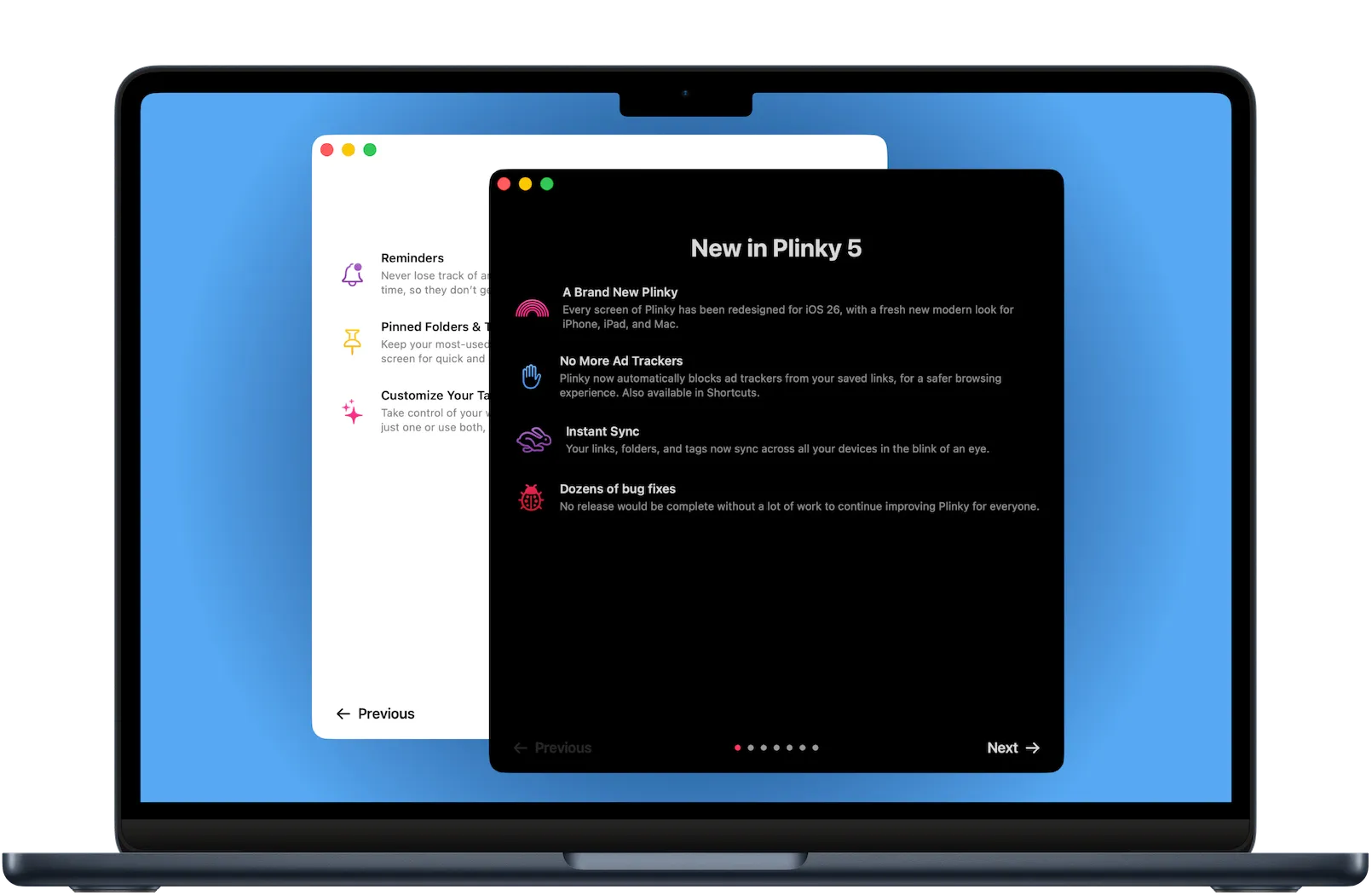
I’ve just released Recap 2.0 — my open source library for creating beautiful What’s New screens from markdown. The primary purpose for this update was interface improvements I need to include in Plinky for Mac (available very soon!), but the underlying story is more important.
This is my first open source release where an agent wrote 100% of the code. I was deeply involved in prompting and guiding the work, which taught me an important lesson about working with agents.
Building For Agents
I write code with agents every day — probably 90-95% of my code is the result of an agentic workflow. When I started working on Recap that number was closer to 5 or 10%, so my working style has changed a lot more than the project itself. When I started updating Recap for 2.0, I quickly realized the codebase wasn’t set up well for agents to work with.
Updating Recap felt a bit like stepping into a time machine because the project had no structure in place to make agentic development easier. The first thing I did was create an llms.txt file that defines the project’s structure and functionality. This small file makes a big difference, letting an agent be laser-focused rather than fumbling around brute forcing solutions.
Then I built a Recap Integration Skill that handles the hard work of adding Recap to your project. Something I’ve learned as an open source maintainer is that people will find the most creative ways to misuse your library. I’ve always wanted a way to prevent questions from people who’ve misunderstood how my open source project works and gotten stuck trying to fix their mistakes.
In the past I’ve solved this by writing lots of time-consuming documentation. The tradeoff is worthwhile for my projects like Boutique which have thousands of users, but there isn’t as much payoff for smaller projects. Creating a skill solves this by teaching an agent how to write the code you want, and that’s what makes the recap-integration skill the real highlight of Recap 2.0.
Updating a project for agentic workflows isn’t just for open source, it will help you in any codebase where you use tools like Claude Code, Codex, and Cursor.
Your Turn
If you want to get better at working with agents, start small. Some of the highest leverage work you can do is to make your codebase agent-friendly. Much like professional pianists still practice their scales, you can level up your fundamentals by practicing on a small project. It’s more difficult to begin with a large established codebase, but the lessons you learn in a small project will transfer over to codebases of all sizes.
The work of making your codebase agent-friendly starts with one small question: What would make your codebase easier for an agent to work with? You can figure this out by reading up on agents, taking a workshop, or even trial and error — but that question alone will point you towards the changes you need to make.
If you want to see what that looks like in practice, check out Recap on Github. It’s a concrete example of a small project restructured with agents in mind, and I’m always happy to answer any questions you may have about it.